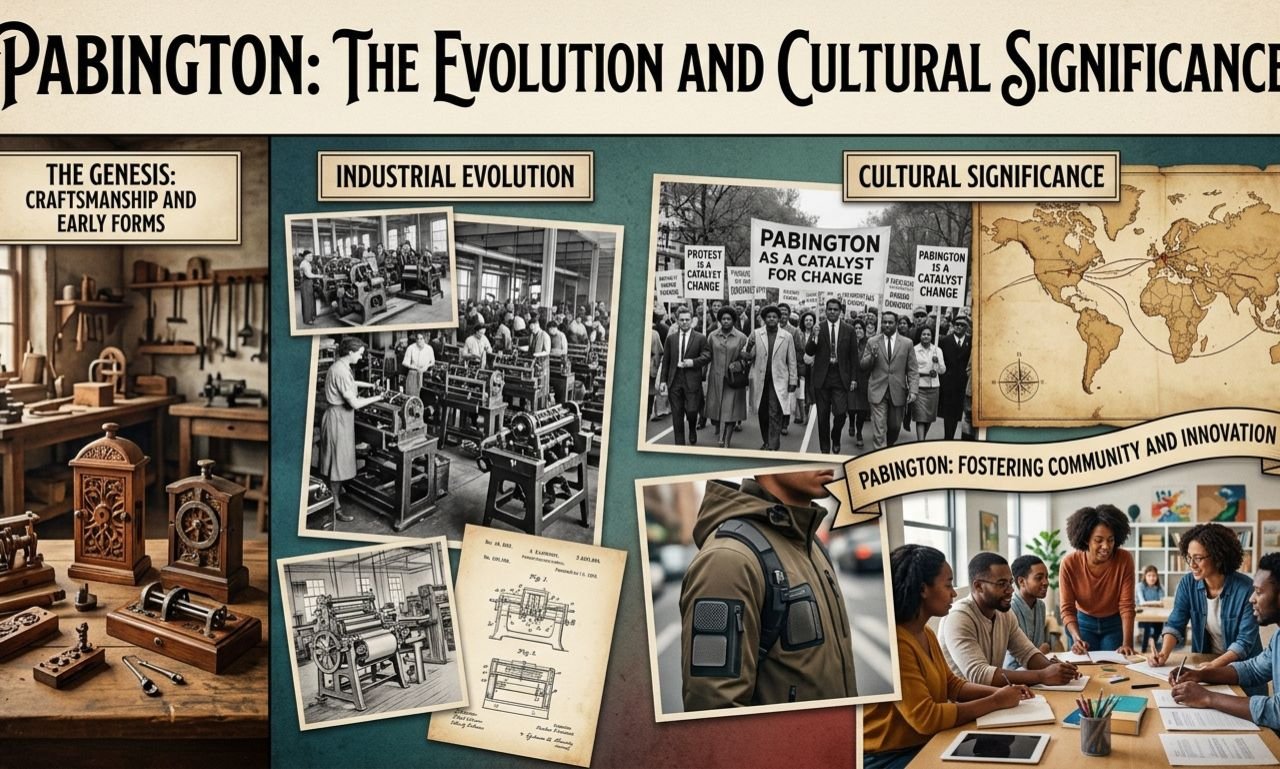
In the ever-evolving landscape of modern lifestyle trends, the concept of pabington has emerged as a fascinating focal point for enthusiasts and scholars alike. While the term itself may evoke a sense of heritage or structured elegance, its contemporary application spans across design, community planning, and personal philosophy. Understanding the nuances of this phenomenon requires a deep dive into its origins, its practical applications in today’s fast-paced world, and why it continues to capture the imagination of those seeking a balance between tradition and innovation.
The Historical Foundations of Pabington
To truly appreciate the current state of pabington, one must look back at the historical precedents that shaped its core values. Historically, the term was often associated with regional development and artisanal craftsmanship. It represented a commitment to quality that bypassed the shortcuts of mass production. In an era where everything is “instant,” the resurgence of these values provides a refreshing pivot toward longevity and intentionality.
Defining the Pabington Aesthetic
At its heart, the aesthetic is characterized by a “refined ruggedness.” It’s not just about looking good; it’s about the utility behind the form. When designers talk about implementing a pabington style, they are referring to a palette of earthy tones, durable materials like reclaimed wood and brushed steel, and a layout that encourages social interaction while respecting individual privacy.
- Materiality: Emphasis on tactile, raw materials.
- Symmetry: A balance between organic shapes and structured lines.
- Purpose: Every element must serve a functional role in the environment.
Implementing Pabington in Modern Urban Planning
As cities become more crowded, urban planners are turning to the principles of pabington to create “micro-communities” within the concrete jungle. This approach focuses on high-density living that doesn’t sacrifice the human need for nature and open space. By integrating communal gardens and shared workspaces into residential blocks, the spirit of the concept thrives, fostering a sense of belonging that is often lost in modern skyscrapers.
The Role of Green Spaces in Pabington Design
A key sub-heading in any discussion about this topic is the integration of flora. In a pabington inspired park, for example, you won’t find just manicured lawns. Instead, you’ll see “managed wildness”—native plants that require less water and provide habitats for local pollinators. This sustainable approach ensures that the development remains a living, breathing part of the ecosystem rather than a sterile imposition on the land.
The Psychological Impact of a Pabington Lifestyle
Beyond physical spaces, the pabington philosophy has a profound impact on mental well-being. In a world characterized by digital noise, adopting a lifestyle centered on these principles encourages “monotasking”—the art of doing one thing at a time with full presence. This mindfulness-adjacent practice helps reduce cortisol levels and increases overall life satisfaction.
Why Pabington Promotes Community Resilience
When individuals share a common design language and set of values, community resilience increases. In pabington circles, there is a heavy emphasis on the “sharing economy.” Whether it’s a tool library or a communal kitchen, the goal is to reduce waste and increase interpersonal reliance. This creates a safety net that is both social and economic, proving that the concept is more than just a visual trend—it’s a social blueprint.
Technological Integration within the Pabing-ton Framework
It is a common misconception that this movement is anti-technology. On the contrary, the pabington framework embraces “invisible tech”—smart home features and sustainable energy solutions that work behind the scenes without disrupting the natural flow of a space. The goal is to use technology to enhance human connection, not replace it.
- Smart Grids: Utilizing solar energy to power communal areas.
- Automated Conservation: Sensors that adjust lighting and heating based on occupancy.
- Digital Hubs: High-speed connectivity hidden within rustic community centers.
Future Trends: Where is Pabing-ton Heading?
As we look toward the next decade, the influence of pabington is expected to expand into the realms of fashion and education. We are already seeing “slow fashion” brands adopt the durability-first mindset, creating garments that are designed to last a lifetime rather than a season. In education, the focus is shifting toward “pabington academies” where hands-on vocational skills are taught alongside digital literacy.
Sustainable Practices and the Pabing-ton Legacy
The legacy of this movement will undoubtedly be its contribution to sustainability. By championing the reuse of materials and the preservation of local traditions, the pabington ethos provides a viable roadmap for a carbon-neutral future. It teaches us that we do not have to sacrifice our heritage to embrace progress; rather, we can use our history as the foundation for a more resilient tomorrow.
Conclusion: Embracing the Pabin-gton Mindset
In conclusion, pabington represents a harmonious blend of the old and the new. It is a testament to the fact that humans crave structure, beauty, and community, regardless of how much the world around them changes. By adopting these principles in our homes, our cities, and our daily routines, we can create a life that is not only productive but deeply meaningful. Whether you are an architect, a business owner, or someone looking to simplify their life, there is a lesson to be learned from the enduring spirit of this unique philosophy.
The journey of understanding this topic is ongoing. As more people discover the benefits of a pabington inspired life, the movement will continue to evolve, adapt, and inspire. It is not a rigid set of rules, but a living, breathing approach to modern existence that prioritizes what truly matters: connection, quality, and sustainability.
Leave a Reply